Knowing When to Upgrade your Hospital Ward Equipment
When was the last time your hospital ward equipment had a proper check-up?
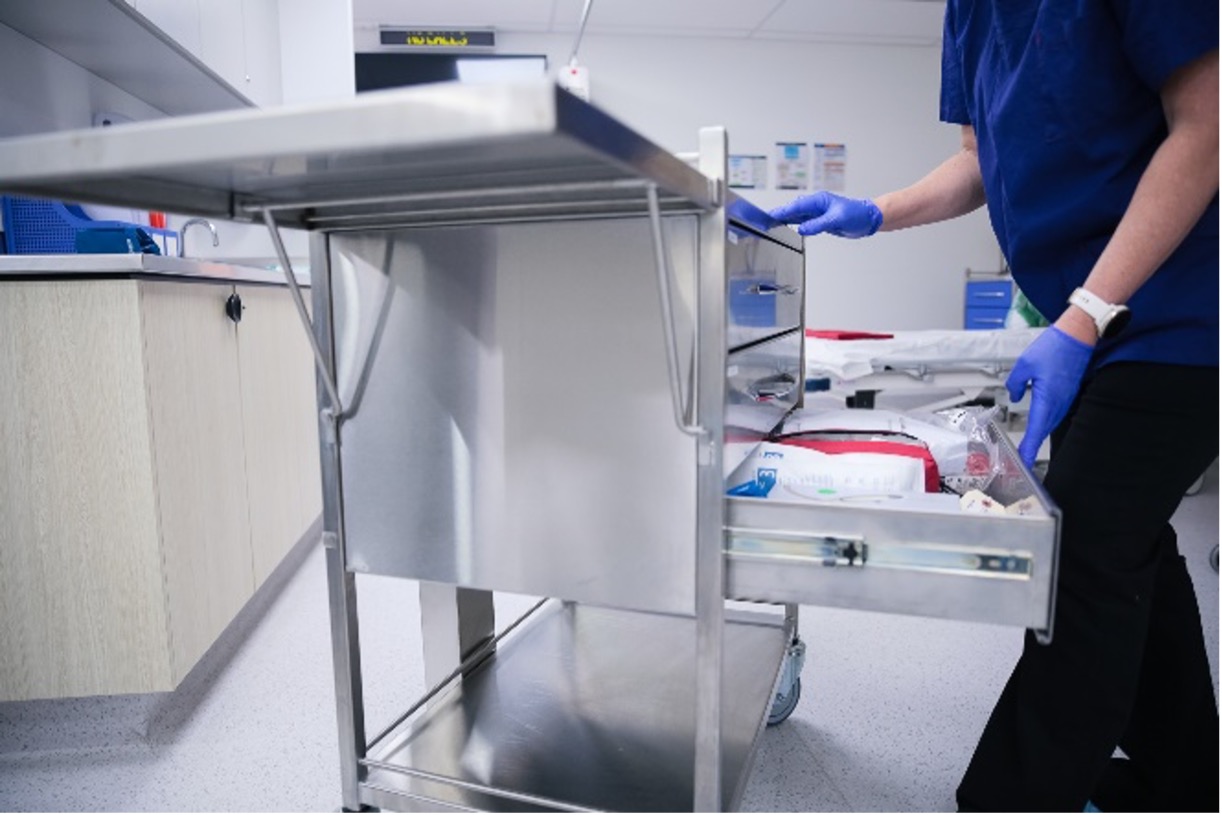
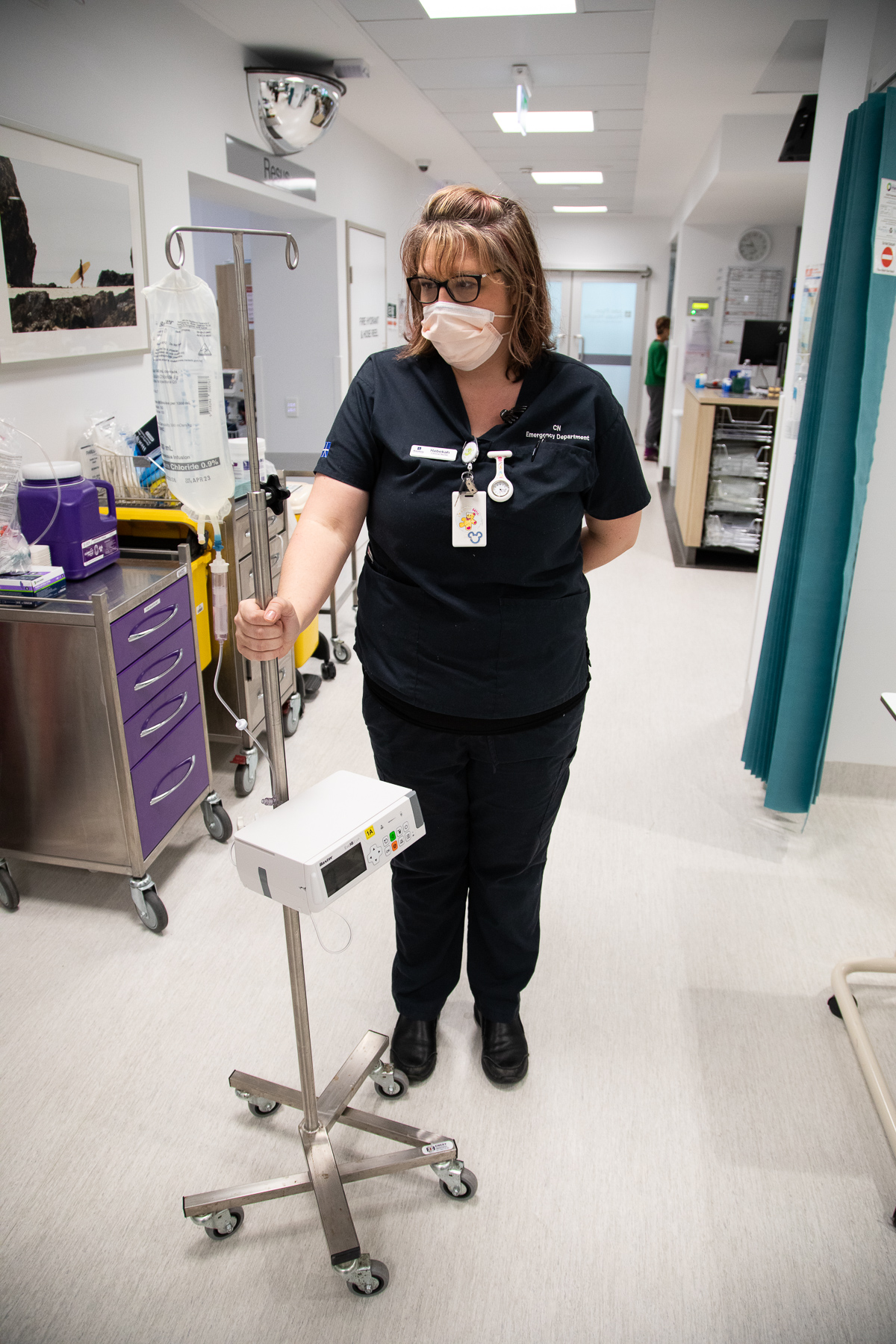
If your stainless steel trolleys, benches, or IV poles are starting to look a little… tired – with brown marks or a dull, uneven finish – it might not just be wear and tear. It could be tea staining, and it’s trying to tell you something important.
What is Tea Staining (And Why Should You Care)?
Tea staining is a brown discoloration that appears on stainless steel surfaces. While it’s mostly cosmetic at first, it often signals the start of corrosion – especially in coastal hospitals or high-humidity wards, which are more vulnerable due to salt and moisture exposure.
According to the Australian Stainless Steel Development Association (ASSDA), tea staining doesn’t affect the structural integrity of stainless steel initially, but it indicates an environment that may compromise hygiene and longevity over time.
The Real Risk: Infection Control
Let’s face it – in a hospital setting, the appearance of cleanliness matters. But even more important is what lies beneath. When stainless steel is compromised by tea staining, it becomes harder to keep hygienic. Bacteria can cling to the micro-pits in the surface, making disinfection less effective.
That’s not just a cosmetic issue – it’s an infection risk supported by NSQHS Standard 3, which requires that equipment is maintained and evaluated for infection risks in medical environments.
Environmental Impact: A Harsh Truth for Coastal Hospitals
Hospitals near the coast – looking at you, Gold Coast, Sydney, Perth – are especially at risk due to high levels of salt, pollution, and humidity. Even high-grade stainless steel like 304 can fall victim if not cleaned and maintained properly.
And if you’re using lower-grade materials or inconsistent cleaning routines? The risk only goes up.
When Is It Time to Upgrade?
Here are the warning signs that your equipment might need replacing – not just cleaning:
Brown streaks or spots that reappear after cleaning
Rough or pitted surfaces
Rust-coloured stains near weld seams or in high-touch areas
Regular tea staining despite maintenance efforts
Increased infection control concerns or audit flags
Pro tip: If your cleaning team is scrubbing with acidic cleaners, they might be doing more harm than good. These can actually accelerate corrosion on stainless steel.